

Subsidy bill mounts as govt holds fuel prices steady despite global price ‘spike’
Published :
Updated :
 For all latest news, follow The Financial Express Google News channel.
Skyrocketing global energy prices, fuelled by the intensifying Middle East crisis, have triggered a massive surge in Bangladesh’s subsidy burden, forcing the government to absorb multi-billion dollar losses to prevent a domestic price shock.
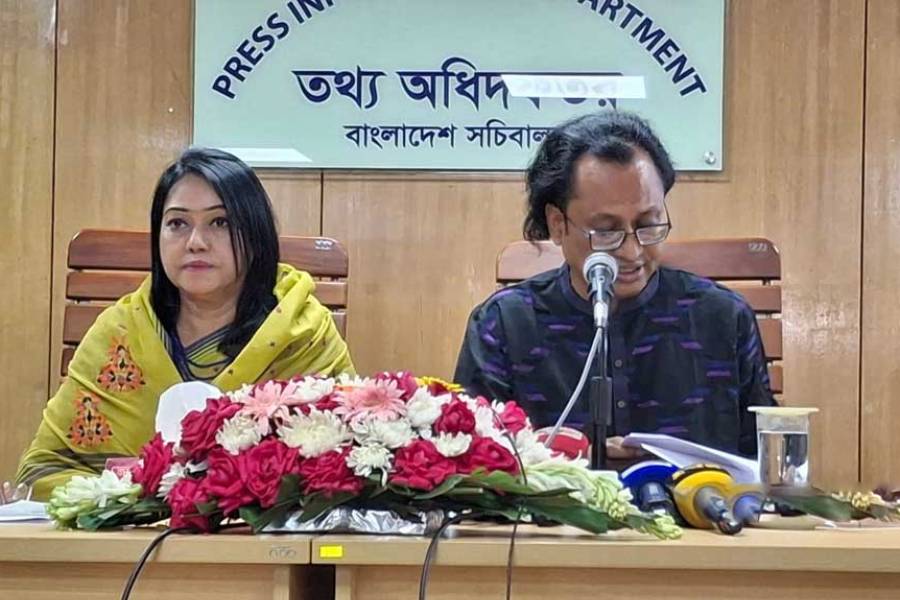
Prime Minister’s Advisor Zahed Ur Rahman revealed on Tuesday that while international markets are seeing energy price hikes, the Bangladesh government has decided to keep domestic fuel rates unchanged for at least another month.
This decision, aimed at shielding consumers from inflationary pressure, comes at a steep fiscal cost, he said.
“The situation is a direct result of global volatility. While many countries have already hiked prices, we are choosing to wait,” the advisor said during a press briefing at the Secretariat.
“The pressure is immense. We are carrying a legacy of Tk 450 billion in liabilities from the previous administration, and the current global spike is adding to that weight,” he said.
The gap between the cost of imported fuel and the subsidised retail price in Bangladesh is widening rapidly.
The government is currently grappling with significant arrears across multiple sectors.
It owes Tk 202 billion to private power plants.
Additionally, Tk 100 billion is due to Petrobangla, the state-owned oil, gas, and mineral corporation. State power companies are also awaiting payments totalling Tk 73 billion, according to the advisor.
More than Tk 93 billion is owed to Adani Power, he said.
The government’s “automated pricing system”, introduced in early 2024 to align domestic prices with the international market, has effectively been paused this month.
By not raising prices as global rates “spike”, the government is essentially paying the difference out of the national treasury.
“This is a massive tax on our national income,” Zahed noted.
“We are trying to manage the pressure so that the impact on the common person remains minimal, but it is becoming an unsustainable burden.”
Despite the financial strain, the advisor dismissed rumours of total fuel depletion.
While diesel and petrol supplies saw a dip, up to 15 percent, in March 2026 compared to the previous year, the government insists the “dire” shortage portrayed by long queues is largely driven by panic buying and illegal hoarding in anticipation of future price hikes.
As of Apr 6, national diesel reserves stood at over 114,000 tonnes, octane at 10,151 tonnes and petrol at 13,805 tonnes.