


The World Health Organization (WHO) has called for urgent action to contain the ongoing measles outbreak in Bangladesh, warning that the disease is likely to spread further unless surveillance is strengthened, response systems are accelerated, and vaccination coverage is improved.


The global health agency recommended achieving at least 95 per cent coverage with two doses of the measles-containing vaccine in all municipalities, along with stronger integrated surveillance systems to quickly detect suspected cases in both public and private healthcare facilities, UNB reports.
WHO stressed enhanced monitoring in high-traffic border areas to identify and respond to potential infections rapidly. It also called for the deployment of trained rapid response teams and activation of national protocols to contain imported cases and prevent the re-establishment of endemic transmission. Close coordination between national and local authorities was described as essential.
During outbreaks, the WHO advised strict hospital infection-control measures, including isolating patients and minimising contact to prevent in-hospital transmission.
Vaccination efforts should prioritise high-risk groups such as healthcare workers, transport and tourism workers, and international travellers. The agency also recommended targeted immunisation campaigns for migrant populations in border areas, alongside maintaining adequate vaccine stockpiles and ensuring access for vulnerable groups, including displaced and underserved communities.
Despite the outbreak, the WHO said it does not recommend any travel or trade restrictions at this stage.
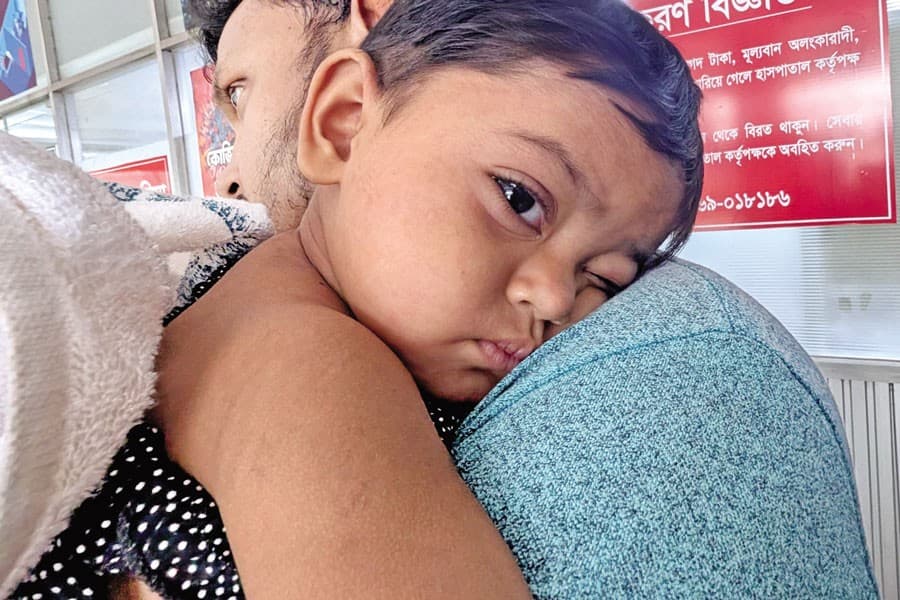
The agency assessed Bangladesh’s national risk as high due to ongoing transmission, a large number of susceptible children, immunity gaps, and suspected measles-related deaths. Most cases have been reported among unvaccinated or partially vaccinated children, including infants too young to receive vaccination, raising concerns about severe outcomes and continued spread.
The outbreak marks a setback in Bangladesh’s earlier progress towards measles elimination and highlights growing vulnerability to sustained transmission. Cross-border movement further increases the risk, particularly through major urban hubs such as Dhaka, Chattogram, Sylhet and Cox’s Bazar.
Measles remains one of the most contagious viral diseases and a leading cause of child mortality globally. In Bangladesh, the outbreak is driven by low immunity levels, with most affected children either unvaccinated or having received only one dose. Around 91% of cases are among children aged 1–14 years, indicating significant immunity gaps.
Although Bangladesh previously achieved strong vaccination coverage and reduced measles incidence, recent vaccine shortages, disruptions in routine immunisation, and the absence of nationwide campaigns since 2020 have increased vulnerability.
Regionally, WHO said the risk remains high in South-East Asia, with continued transmission across several countries. Cross-border movement with India and Myanmar—where vaccination gaps and rising cases persist—further heightens the threat, particularly in border districts such as Jashore and Chapainawabganj.
Globally, the WHO has assessed the risk as moderate due to high population mobility and ongoing measles transmission in several regions, underscoring the need for sustained vigilance and immunisation efforts.