

Published :
Updated :
 For all latest news, follow The Financial Express Google News channel.
In the Bangladeshi fruit scenario, few fruits are affordable to the mass people. With a limited income, most lower-income families struggle to buy even basic foods, let alone fruits. Apples and oranges are out of reach, and local fruits can’t be grown year-round.
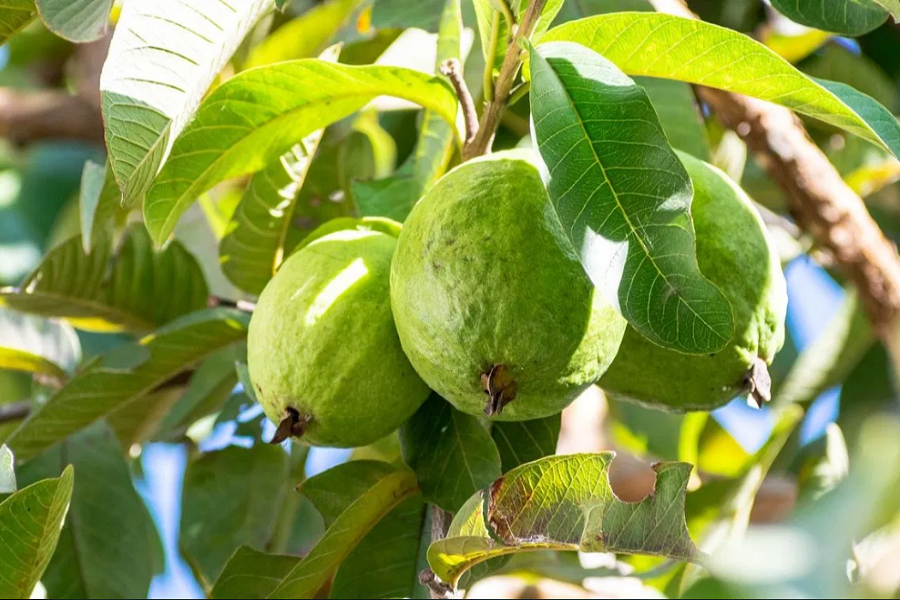
In the 1990s, a new hybrid of guava entered the market and caused a silent revolution. It can grow all year and can be sold at a cheaper rate. It’s the Kazi Peyara, which heavily dominates the local fruit markets throughout the year.
Kazi guava has become a staple for many for its flavour and extended shelf life, making it a convenient choice for daily consumption. Its name has an interesting origin, tied to a Bangladeshi agronomist, Kazi M. Badruddoza.
In an interview in the past, he revealed that he didn’t name Kazi Guava by himself. When this hybrid variant of guava became popular, people named it after him.
The inception of Kazi Guava involves the collaboration of Japanese scientists with local experts, creating a hybrid of Barisal and Thai guavas. This variety was eventually named after Kazi M. Badruddoza to acknowledge his significant contributions to agriculture.
While the popularity of Kazi guava soars, the question arises: where did the local guavas disappear? According to local vendors, domestic guavas are scarcely available except during the rainy season, leading consumers and sellers alike to rely on the consistent availability of Kazi guava throughout the year.
The nutritional benefits of Kazi guava are noteworthy. Packed with nutrients such as vitamin C, iron, and antioxidants, this variant of guavas contributes to overall health. Nutritionists recommend including guavas in daily diets, emphasizing their positive impact on immunity and blood sugar levels. However, individuals with acidity or ulcers should exercise caution due to the fibre content.
In terms of pricing, ripe guavas fluctuate between Tk 40 and Tk 80 per kg, influenced by factors such as size and seasonal variations. The fruit is primarily cultivated in Chuadanga and Rajshahi, with deshi guavas from the Pirojpur and Jhalakathi districts of the Barisal division, fetching between 60 and 100 takas.
As Kazi Guava continues to dominate the fruit scene, its journey from relative obscurity to a cherished household favourite marks the fascinating interplay between agriculture, science, and consumer preferences.
contact.iftekhar.tne@gmail.com