

Fuel supply normalises amid regional crisis
Increased imports from regular suppliers ease oil shortages
Published :
Updated :
 For all latest news, follow The Financial Express Google News channel.
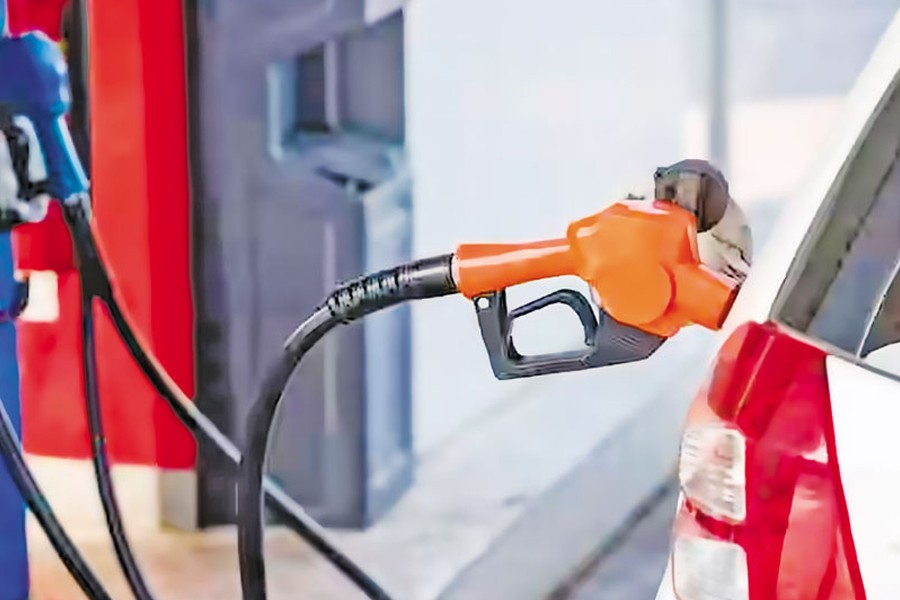
Bangladesh's fuel supply situation has largely returned to normal despite ongoing volatility in global energy markets triggered by the Middle East crisis and restrictions on shipping through the Strait of Hormuz.
Increased imports from regular suppliers and higher oil cargo arrivals have helped stabilise petroleum product distribution across the country since early this month.
Officials say the government is now focusing on strengthening strategic fuel reserves to prevent future supply disruptions, while long queues at petrol pumps and restrictions on commercial activities have gradually disappeared.
Although state-run Bangladesh Petroleum Corporation (BPC) issued notifications of award (NOA) to around a dozen new suppliers under the direct purchase method (DPM), none of them had supplied oil to the country until May 16, BPC Chairman Md Rezanur Rahman told The Financial Express on Saturday.
He said only a couple of the newly awarded companies had deposited the required performance guarantee (PG) to fulfil their commitments to supply petroleum products to BPC.
Some companies declined to submit the performance guarantee even after securing contracts, while others failed to proceed with supply arrangements after receiving the NOAs, the BPC chairman said.
If the companies that submitted the guarantees proceed as planned, the first oil supplies under the DPM contracts are expected to reach Bangladesh in June, he added.
A&A Energy Oil & Gas LLC of the United States, Petrogas International Corporation of the UAE, AP Energy Investments Ltd of the Netherlands, Steller Marketing and Trade LLC of the United States, Superstar International (Group) Ltd of Hong Kong, Exxon Mobil Kazakhstan Inc, Abeer Trade & Global Markets of Malaysia, Archer Energy LLC of the United States, Maxwell International SPC, Yar Energy of Switzerland, Aka Energy Ltd of the United Kingdom, Mazda Oil Company Ltd of Japan, VSM Bio FZ LLC of the UAE and Pacific Silverline Ltd of Nigeria were among the firms selected to supply petroleum products to Bangladesh under the initiative.
The BPC chairman said regular suppliers that had previously deferred oil cargoes or declared force majeure after the outbreak of the war had now resumed deliveries to BPC. As a result, the country's overall petroleum product imports have increased since early April, improving fuel supply and distribution across the country, he said.
"We imported around 27 oil cargoes in April, which is nearly 50 per cent higher than the usual monthly import volume," he said, adding that BPC normally imports about 18 cargoes a month. The country's sole crude oil refinery, Eastern Refinery Limited, has also resumed full-scale operations after importing 100,000 tonnes of crude oil in early May, he said.
Another 100,000-tonne crude oil cargo is expected to arrive within the next several weeks to keep refinery operations running smoothly, he added.
The BPC chairman acknowledged that Bangladesh faced an immediate fuel crisis after the Middle East war began on February 28 due to insufficient petroleum reserves.
"Afterwards, we became more cautious and are using the current ceasefire period to build up our oil stocks," he said. "We are working to ensure at least three months' worth of oil reserves in the country to avoid unforeseen supply shocks in the future," Mr Rahman added.
Apart from using BPC's own storage facilities and those of its subsidiaries, the corporation also plans to store fuel in tanks belonging to power plants, the railway sector and other available facilities.
Despite rising international oil prices, BPC is continuing to purchase petroleum products using its own funds, he said.
He added that financing support from the International Islamic Trade Finance Corporation is also helping Bangladesh procure fuel from global suppliers.
Bangladesh has long imported crude oil from Saudi Aramco and Abu Dhabi National Oil Company.
BPC also imports refined petroleum products through government-to-government arrangements from suppliers including Kuwait Petroleum Corporation, PETCO Trading Labuan Company Limited, Emirates National Oil Company (Singapore) Pte Ltd, PetroChina (Singapore) Pte Ltd, PT Bumi Siak Pusako, Unipec Singapore Pte Ltd, PTT International Trading Pte, Numaligarh Refinery Limited and OQ Trading Limited.
Sources said long queues at petrol pumps have disappeared since early this month, while restrictions on shopping mall operating hours have also been relaxed. "I do not know where so many customers have gone," said Petrol Pump Owners Association Convener Sazzadul Karim Kabul.
He said daily sales of petrol and octane had fallen to one-fifth of previous levels.
"Usually, we sold around 10,000 litres of petrol and octane combined each day. Now sales have dropped to around 2,000 litres a day," he said.
Mr Kabul alleged that the long queues seen in recent months had been created intentionally.
"Many people rushed to stockpile petrol and octane," he said, adding that large volumes of fuel remain stored in vehicle tanks, reducing demand at filling stations.
He added that petrol and octane sales would return to normal once the excess stored fuel is gradually consumed.
azizjst@yahoo.com