


Water Resources Minister, Md Shahid Uddin Chowdhury Anee, has said the government will move forward with the long-delayed Teesta master plan, framing it as both a political commitment and an economic necessity for the country’s northern region.
Speaking in parliament on Sunday, Anee said the project would be implemented in line with pledges made by prime minister Tarique Rahman and commitments outlined by the ruling Bangladesh Nationalist Party (BNP).
The minister’s remarks came after opposition MP Mahbubul Alam raised an urgent public importance notice during proceedings chaired by deputy speaker Kaiser Kamal.
Anee acknowledged that while the project is critical for national interest and the welfare of around 5 million people in the northern region, its implementation would take time. “We must proceed carefully before execution,” he said.
He told lawmakers that the Bangladesh Water Development Board has already completed a feasibility study for the Teesta master plan. A preliminary development project proposal (PDPP) has also been prepared to assess financial and technical viability, and is currently under review. A final decision will be taken after evaluating these aspects, he added.
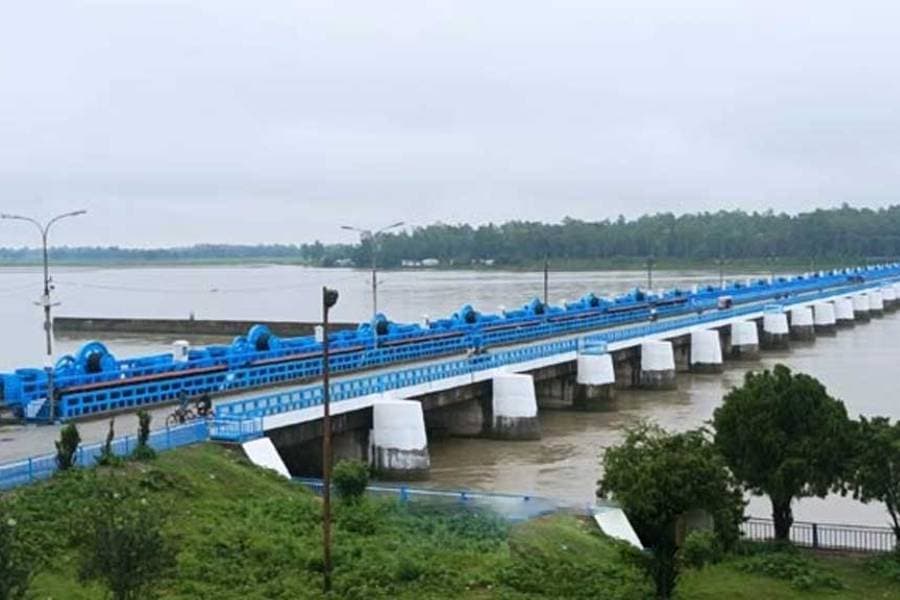
The Teesta plan is intended to address chronic riverbank erosion and seasonal water shortages. According to the minister, its implementation would help protect farmland, homes, schools, mosques and other infrastructure, while safeguarding the livelihoods of nearly 20 million people.
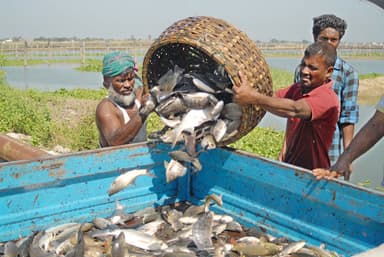
He also highlighted broader economic and environmental benefits, including the revival of agriculture and fisheries, restoration of biodiversity, expansion of tourism and the development of small industries along the river basin. “A new economic emergence could take place centring the Teesta,” he said.
Responding to a supplementary question, Anee pointed to long-standing tensions with India over water sharing, saying Bangladesh faces a “serious crisis” due to upstream control of the river’s flow. However, he stressed that the master plan remains a sovereign priority for Bangladesh.
He added that China has expressed interest in supporting the project, which is estimated to cost around Tk 12,000 crore. Its implementation, he said, would ultimately depend on a decisive policy move by the government.
mirmostafiz@yahoo.con