


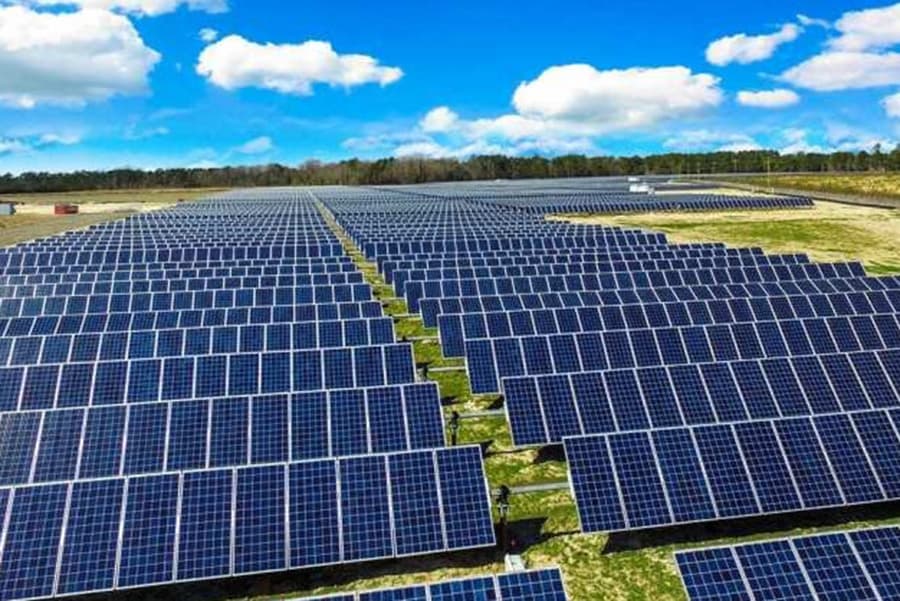
A record surge in solar power in 2025 has effectively stalled the growth of fossil fuel-based electricity generation worldwide, marking a significant milestone in the global energy transition, according to a new report published Tuesday by global energy research organisation Ember.
The report finds that, for the first time in modern history, renewable energy has overtaken coal in electricity generation.
Clean energy sources met all of the increase in global electricity demand last year, keeping fossil fuel-based generation largely flat, the report shows. Solar power alone accounted for 75 percent of the rise in demand, while combined solar and wind generation covered almost all of it—around 99 percent.
Global solar electricity generation rose to 636 terawatt-hours (TWh) in 2025, a 30 percent increase from the previous year—the fastest growth rate in eight years. Since 2015, solar output has expanded more than tenfold and is now equivalent to the total electricity demand of the European Union’s 27 member states.
China led the expansion, contributing more than half of global growth in both solar capacity and generation.
Overall, clean electricity generation increased by 887 TWh in 2025, slightly exceeding global demand growth of 849 TWh. As a result, fossil fuel-based electricity generation declined by 0.2 percent. It is only the fifth time this century that fossil electricity has not grown.
“We have firmly entered the era of clean energy growth,” said Aditya Lolla, Managing Director of Ember. “Clean energy is now expanding fast enough to meet rising global electricity demand, keeping fossil generation stable ahead of its inevitable decline. What we are witnessing is no longer just ambition, it is becoming a structural reality.”
The report highlights the critical role of major emerging economies in accelerating the global energy transition. For the first time this century, fossil fuel-based electricity generation fell simultaneously in both China and India—two countries that have driven much of the global growth in fossil power over the past two decades. In China, fossil generation dropped by 56 TWh, while India recorded a decline of 52 TWh, driven by rapid expansion of solar, wind, and other clean energy sources.
These shifts have altered the global electricity mix. In 2025, renewables accounted for 34 percent of global electricity generation, surpassing coal’s 33 percent share for the first time in modern history. Coal generation fell by 63 TWh globally, marking its first decline since 2020.
The report also underscores the rising importance of battery storage in enabling higher shares of renewable energy. In 2025, enough battery capacity was installed to shift 14 percent of newly added solar generation from peak daytime hours to other times of the day, improving grid flexibility and stability.
Aditya Lolla said solar energy is now the dominant driver of change in the global power system, adding that battery storage is helping enable round-the-clock clean electricity supply. Experts say the rapid expansion of clean energy is reducing reliance on imported fossil fuels, reshaping the global energy economy, and strengthening energy security. At the same time, cheaper and more widely available renewable electricity is expected to accelerate electrification across sectors such as transport.
Xunpeng Shi, President of the International Society for Energy Transition Studies (ISETS), said China’s rapid expansion of solar and wind power is meeting rising domestic electricity demand while also influencing the global energy transition. “As the world’s largest builder of clean energy infrastructure, China is showing how growing demand can increasingly be met with clean electricity instead of fossil fuels,” he said.
Adair Turner, Co-Chair of the Energy Transitions Commission, said solar photovoltaic (PV) technology is now the cheapest source of electricity in most parts of the world. Falling battery costs have also made solar and storage an increasingly viable solution for round-the-clock power in many countries.
“Solar and wind already account for almost all growth in global electricity supply, and future growth will continue to displace fossil fuels. This is an unstoppable revolution driven by superior technology,” he said.
The report forms part of Ember’s seventh annual Global Electricity Review, which provides one of the most comprehensive assessments of the global power system based on data from 215 countries.
Analysts say the next major challenge will be modernising electricity grids and regulatory frameworks to ensure they can support rapidly expanding renewable energy systems.