
The government announced a 7-day Eid-ul-Azha holiday from 25 to 31 May and cancelled Saturday, 23 May, as a weekly holiday to offset the long break. During Eid-ul-Fitr in March last, it added March 18 as a holiday, creating another 7-day break from March 17 (Shab-e-Qadr) to March 23.
This pattern is increasingly common, as bridge holidays allow families time together and longer opportunities for travel, celebration and rest -- but they carry a hidden cost.
Bridge holidays are more than minor decisions; they have significant economic consequences. Bangladesh must prioritise long-term economic progress over the short-term appeal of extended holidays. Without focus on productivity and growth, the country's development may be slowed.
The key challenge is balancing citizens' comfort with all-important economic activity necessary for progress.
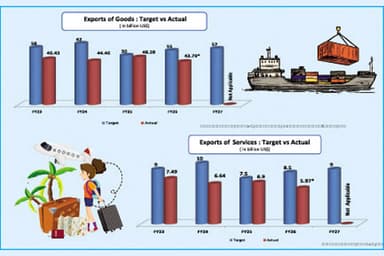
Bangladesh already has many public holidays that affect economic activities. When government offices, banks and logistics operations pause, implementation of projects and activities involving exports and imports also come to a temporary halt, taking an economic toll.
In the public sector, effect of disruption seems manageable as salaries are paid and work resumes later. The case is not same for the private sector: factories miss targets if they stop; banks cannot delay transactions; and retailers, exporters, service providers, and logistics all face higher costs on account of longer holidays. SMEs are most vulnerable, lacking the cash flow to absorb the costs of closures.
One day off often means more than a day's lost work. It may affect the public sector less, as people are accustomed to the bureaucratic nature of its slow pace, but in the private sector, it compresses deadlines, drives up overtime, disrupts routines, and creates backlogs. The Bangladesh Employers' Federation estimates each unplanned holiday can cost the sector up to 1.5 billion taka in lost productivity and revenue.
Bangladesh aims to attract investment, improve the ease of doing business and boost productivity. Unplanned holidays disrupt planning, as companies need predictable schedules.
Many developed countries handle holidays in other ways.
China has long holidays for the Lunar New Year and Golden Week, but releases its calendar early and requires make-up work days. This lets businesses plan ahead and run via staggered operations and sector flexibility.
In Western countries, many businesses stay open during Christmas. Employees alternate leave, keeping retail, hospitality, transport, healthcare, logistics, digital services and financial systems active.
Bangladesh continues to treat extended holidays as a one-size-fits-all solution.
Businesses extend beyond offices and stay connected. Customers expect speed, transactions are online and supply chains cross borders. E-commerce, fintech and online providers face challenges because customers expect service-even during the holidays. Long breaks have a bigger impact.
Contrary to popular belief, long holidays do not boost happiness and efficiency. Sudden breaks slow teams, delay decisions and create backlogs.
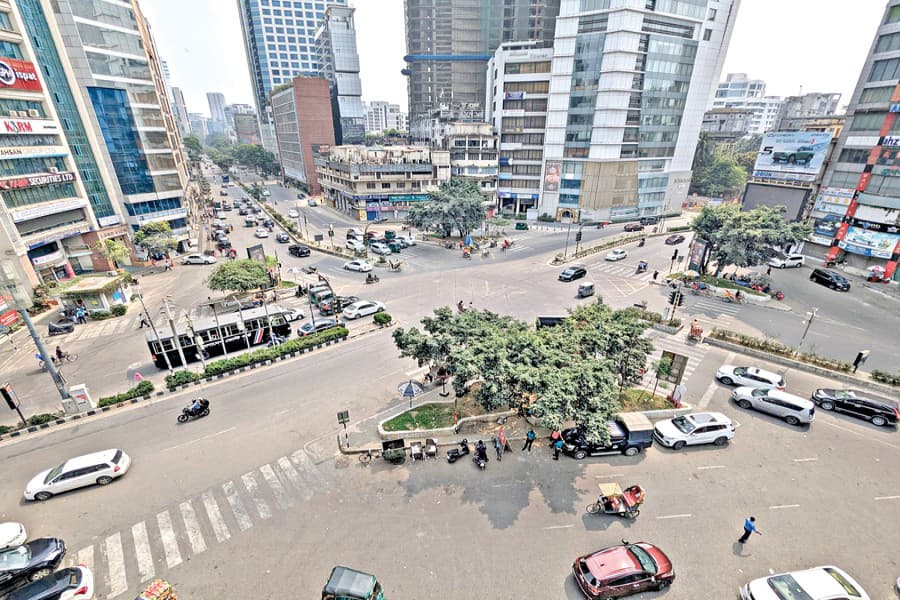
Long holidays cause a demographic shift: millions travel from cities to rural areas. Estimates from the Bangladesh Road Transport Authority and news reports suggest 10-15 million leave Dhaka during major holidays like Eid. This exodus severely reduces urban foot traffic, hurting daily wage workers --rickshaw pullers, street vendors, restaurant staff, transport workers -- who depend on city crowds.
During the 2024 Eid-ul-Fitr, business associations in Dhaka reported a 60 per cent drop in daily earnings for these workers. Rural areas may see temporary retail boosts, but these gains are short-lived and do not offset urban losses. The net result is greater hardship for vulnerable urban earners, revealing another hidden cost of the holiday.
Planned annual leave aids recovery, but sudden breaks can rush work and reduce expected benefits, though family time is valued.
This does not mean major holidays should be cut. The question is how policymakers can organise breaks to honour culture and economic stability.
To address these issues, the government could take several clear actions:
First, clearly announce all official holidays, including bridge days, well in advance at the start of each year so businesses and individuals can plan accordingly.
Second, allow sector-specific flexibility, so that essential industries or services can stay open if needed, rather than requiring universal closures.
Third, require essential services-such as banking, ports, logistics, exports and customer support-to implement staggered or rotating staffing during holidays to minimise disruption.
Finally, set up regular consultations with private-sector stakeholders to align the holiday calendar with business needs, and form a joint public-private task force to review and update holiday policies.
Technology can help. Hybrid work, digital approvals, limited digital banking and staggered schedules reduce disruption.
In the end, every extra public holiday comes with a trade-off.
While extra holidays provide personal enjoyment, they lead to lower productivity, decreased efficiency and greater economic losses for Bangladesh.
As Bangladesh aims to enhance competitiveness and attract investment, its holiday policy must support resilient, long-term economic growth rather than sacrificing progress for temporary convenience. The decision policymakers make between short-term enjoyment and future prosperity will shape the country's success.
Sustainable growth depends not just on how hard a country works, but how wisely it manages breaks.