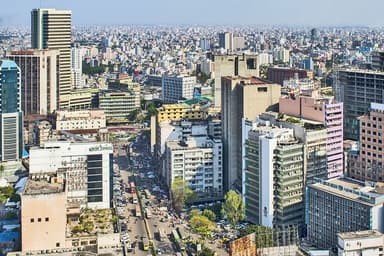


Slum dwellers of the country are a community time forgot. They are among the poorest of this poor country. They live in close proximity to the city centres, yet they are so far away from the amenities that city dwellers are entitled to. All developments, all movements for change pass them by. In this dismal backdrop, it was heartwarming to see the slums in the capital recently undergoing an unusual surge of activity surrounding the introduction of the Family Card programme. When Prime Minister Tarique Rahman formally inaugurated the countrywide distribution of the scheme on Tuesday from a ceremony near Korail slum, thousands of the urban poor were overwhelmed with delight and hope. Many were even seen breaking down in tears as they collected their cards.
On the first day, 37,567 women across 14 locations in various districts received the cards, including 15,000 women from Bhasantek, Sat Tola and Korail slums in the capital. The government is set to roll out the programme nationwide in phases, targeting the female head of each household. According to official estimates, 40.01 million families will be brought under the scheme. The beneficiaries will receive a monthly cash support of Tk2,500 or food assistance of equivalent value.
Launching the Family Card was one of the key election pledges of the Bangladesh Nationalist Party (BNP). The prime minister indeed set an admirable example by fulfilling the promise in less than a month of assuming power.
If it can be implemented at the projected scale and successfully delivered to the true beneficiaries, it will bring multifarious benefits. At its core, the card has the potential to empower women, even if partially, by ensuring their financial freedom. When resources are placed directly in women's hands, they often translate into better spending on health, nutrition and the welfare of children.
The true impact of such support can be best understood when viewed through the experiences of the recipients themselves. Hasen Banu, an octogenarian resident of Korail slum, expressed quiet relief upon receiving her card. With the money, she said, she would be able to buy her medicines regularly. Occasionally, she might even afford to buy milk, eggs or fruit, and perhaps treat her grandchildren.
"If this had come earlier, I could have lived a little better," she said.
Like her, for millions of people living on the margins, this modest financial assistance under the government's social safety net can mean a world of difference. It offers a ray of hope to those trapped in a life of constant deprivation.
Over the decades, Bangladesh has made notable progress in poverty reduction. Yet poverty, food insecurity and malnutrition remain among the country's key national challenges. Nearly 18-19 per cent of the population still lives below the poverty line, with around 5-6 per cent trapped in extreme poverty.
Numerous studies have shown that poverty does not affect every member of a household in the same way. Women and children are the worst sufferers. It is because in times of income crisis, it is the mother who first reduces her own meals, leading to a silent but profound crisis of malnutrition among the pregnant and breastfeeding women, which in turn affect the newborns.
According to UNICEF, Bangladesh is among the 20 countries that together account for almost two-thirds (65 per cent) of the total number of children suffering from severe childhood malnutrition globally. Childhood malnutrition has severe lifelong consequences, as it stunts growth, impairs cognitive development, and increases vulnerability to disease. Against this backdrop, the Family Card is not merely a social safety net initiative; it can also be a potent tool in tackling poverty, food insecurity and malnutrition.
The war against poverty, however, is far more complex and cannot be won merely by providing a small amount of cash or a few food items at subsidised rates. While such measures offer temporary relief and help vulnerable families cope with immediate hardships, they do not address the deeper structural causes of poverty. Real change, and true empowerment will come only when poor and underprivileged women in the backwater of society are enabled to become financially self-reliant.
If women can save a portion of their monthly cash allowance and channel it into income-generating activities such as small-scale trading, livestock rearing, or handicrafts, it can gradually transform the economic prospects of their households. And once families become economically self-supporting, it will have a ripple effect on society and the wider economy. Higher household incomes can lead to better nutrition, improved access to education and healthcare, and greater financial stability for future generations.
Over time, such empowerment can reduce dependency on state assistance and foster a culture of entrepreneurship at the grassroots level. When women become active participants in local economic activities, communities grow more resilient and inclusive. In this way, targeted social support combined with opportunities for financial independence can pave the way for sustainable poverty reduction and socio-economic development.
Moreover, as the government is delivering resources directly into the hands of the female head of each family, it is likely to enhance women's self-esteem and strengthen their decision-making power within the household. For all these reasons, the Family Card programme can be a major thrust towards women empowerment and development. It is hoped that the government will take all-out measures to ensure its effective implementation, while opposition parties will also come forward to extend their support in making this initiative a success.
aktuhin.fexpress@gmail.com