

Published :
Updated :
 For all latest news, follow The Financial Express Google News channel.
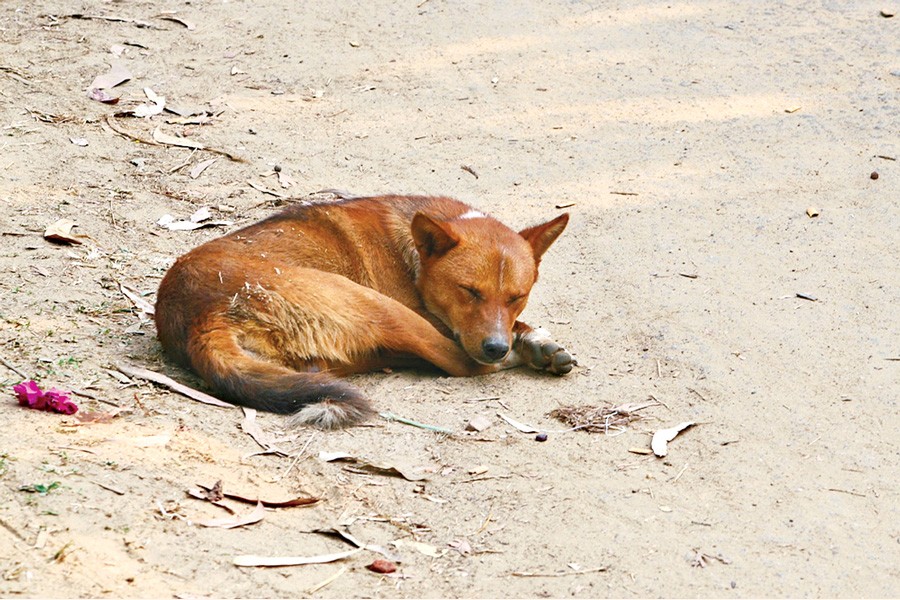
The Defence Officers Housing Society (DOHS) Parishad at Baridhara and the Animal Welfare of Baridhara DOHS (AWBD) are, according to a report carried in a contemporary, on a collision course over the presence of stray dogs there. Even the pet dogs' movement is not to the liking of the DOHS Parishad. It wants restriction on those pets' movement. Notices have been issued by the parishad for removal of stray dogs. Although it is not clear if wholesale culling of stray dogs will be carried out, there is a clear hint that the dogs will be removed to places away from this area.
Residents in the area and animal welfare advocates rightly oppose this. However, some of the residents support the removal move. Their argument is that the stray dogs bark at night causing disturbance to their sleep and also make the street dirty. Animal lovers, however, are ready to accept this kind of nuisance because such offences are far less serious than the ones humankind commits. Animals like dogs and cats also have their right to live as long as they do not turn aggressive. Almost without exception, these dogs are friendly and live on the generosity of people, some of whom routinely feed these ownerless animals.
In fact the AWBD was formed in 2019 following the killing of a dog named LeBraun. There were widespread public outcries against the killing of the dog. Again another pregnant dog was killed in 2022 sparking mass protest. Since the launching of the AWBD, it has been monitoring the street dogs in the area and implementing a large-scale sterilisation and vaccination programme. The resident-led group argues that this scientific method is the best way of limiting the dog population in any area. Once there were dog killing squads which delivered lethal injections to bring an end to the lives of community dogs.
Today people oppose this kind of culling. More people now are aware of animal rights. Thus a legal provision, the Animal Welfare Act, 2019 came into effect under which community animals cannot be killed or removed. These animals have as much right to life as human beings. Admittedly, these social animals at times may cause some negligible problems but they also act as sentinels against thieves and other anti-social elements at night. They can recognise intrusion by strangers into a particular area. Moreover, if the entire batch of ownerless dogs is removed from an area, it would not take long for new batches to fill the vacuum. This is undesirable because these new arrivals may not be sterilised or vaccinated.
In this case, however, the DOHS Parishad argues that the regulations governing the DOHS area are different from that of Rajdhani Unnayan Kartripakhha (RAJUK) or other civilian authorities. It operates under the cantonment rules. Legal provisions in matters of managing dog population, however, cannot or should not be different from the Animal Welfare Act. The cantonments are within the country, not the other way round. When lives of animals are concerned, the country's general law should prevail in order to protect lives no matter if dogs are involved there.
The Baridhara DOHS is not the only city area facing the challenge of managing the dog population. These ownerless animals have been living peacefully with the residents of other areas of the city including other defence housing societies. If residents of other DOHSs and civilian areas can make room for such dogs so can do those in Baridhara DOHS.
Finally, the argument put forward by the DOHS Parishad that dogs are no longer killed but removed to other location is unsound. Which are those locations? If the dogs are left in wilderness, they will die because of want of foods. If they are left in rural areas, it will cause problem for the villages. Hungry dogs in new locations may be aggressive. Whichever may be their destinations, there will be tension between dogs and the residents there. Suppose other city areas or wards also follow this cruel method of disposal of stray dogs, which areas will be their new host? So the argument of removal is flawed. It is better to manage them in their familiar city surroundings where they can be well taken care of on the strength of goodwill and an unwritten bond between dogs and local residents.
nilratanhalder2000@yahoo.com