



After a decade and a half, the country is witnessing a positive atmosphere ahead of national elections and citizens have developed a feeling that they will have full freedom to elect their representatives. The candidates contesting in the 13th general elections are putting in their best effort to reach the voters. The election campaign has already reached its peak, as the leading parties are engaged in verbal battles and, in a few places, the battle turns physical. Besides promising various packages to allure voters, allegations and counter-allegations aimed at undermining rivals have gained momentum. Overall, there is a festive mood in the air. However, there are also worries.
Since the resumption of democratic processes in 1991, eight national elections have been held in the country. Despite some violence and conflict, the general elections in 1991, 1996 (two polls held within 100 days after formation of caretaker governments), 2001, and 2008 were mostly participatory and peaceful. Voters were able to seal the ballot papers without any restrictions in most of the cases to choose their desired lawmakers. Contesting candidates were able to campaign mostly without any major obstacle or intimidation.
The situation changed in 2014 during the 10th general election when the BNP-led grand alliance boycotted the polls. With official voter turnout recorded at 40 per cent and the incumbent Awami League (AL) winning a two-third majority, the election was highly disputed. AL, having two-third majority in parliament, amended the constitution to scrap the caretaker system of government in 2011. The move was engineered by a Supreme Court Appellate Division verdict in the same year, opening the legal path to hold Jatiya Sangsad polls under the ruling political government. Due to controversy, protests, and violence, most voters did not have a favourable environment to go to the polling booths.
The situation deteriorated further during the 11th national elections in 2018, and the poll day was marked with massive irregularities and rigging. The Hasina-led Awami League government ensured its two-thirds majority by stuffing ballot boxes the night before election. Local administration and police worked in favour of the Hasina regime, depriving millions of citizens of exercising their legitimate rights. The voter turnout was recorded at 80 per cent, turning the whole thing into a mockery. Finally, the 12th national elections in 2024 were nothing but replication of the immediate past two elections, and Hasina was re-elected as the prime minister for a fourth term at a stretch, ditching the people's voting rights and distorting democratic institutions.
During the 15 years of Hasina regime, backed by India, there was no room for inclusiveness in elections. Goons and miscreants of Awami League took control of most of the polling booths across the country on the election days and compelled voters to cast their vote in favour of the party. Supporters of the opposition, especially the BNP, were systematically intimidated before the polls. Ordinary voters made subservient to a tyrant and her cronies, and their legitimate rights were scrapped. Only the fawners of the tyrant did not find anything wrong.
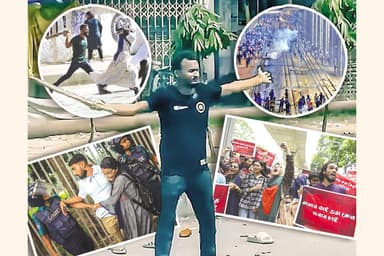
Nevertheless, the student-led July mass uprising threw out the repressive regime of Hasina, creating an opportunity for the citizens to vote freely. The ongoing preparations of the 13th national elections, scheduled to be held on February 12, coupled with physical and virtual campaigning by the parties has created a festive mood across the country. Except for supporters and activists of the ousted regime, everyone hopes the polling day will be mostly peaceful and festive, though there are signs of apprehension for trouble and violence. For instance, in some areas, some candidates and their supporters have allegedly terrorised voters, especially those belonging to minority communities. The beneficiaries, extortionists and flatterers of Hasina are spreading misinformation, disinformation, mostly from abroad, to make the election controversial. To them, there is no festivity and inclusiveness in the country although realities on the ground say otherwise. Voters, especially new ones and youths, are quite enthusiastic about voting in favour of the candidates of their choice.
asjadulk@gmail.com