

Published :
Updated :
 For all latest news, follow The Financial Express Google News channel.
Before sunrise, the streets of Dhaka slowly start to fill with working people. Among them are thousands of women wearing sarees or salwar kameez, walking quickly to their offices, factories, and shops. For many people, this scene has become normal. But in reality, it shows a quiet revolution that has been happening in Bangladesh for many years. In offices, factories, and businesses across the country, women have been helping shape the nation's future.
Recently, however, some people have started saying that women should work fewer hours or focus mainly on household duties. This idea may sound simple, but it can harm the country in many ways. When women are pushed out of the workforce, it not only affects them personally but also weakens the country's economy.
As International Women's Day on March 8 approaches, we should look beyond flowers and slogans. A woman's success now is not limited to her personal achievements, but also to her family and surroundings. It strengthens her community and helps the entire country grow.
World beyond household roles
For a long time, many people believed that a woman's main job was only to maintain the home, and that her profession was just an extra activity. Sometimes a woman's earnings were considered only in crisis, not because of her, but by choice or identity. She was considered as someone's daughter, wife, or mother, but she is 'someone.' Today, this idea is clearly outdated. Women play a significant role in Bangladesh's economy.
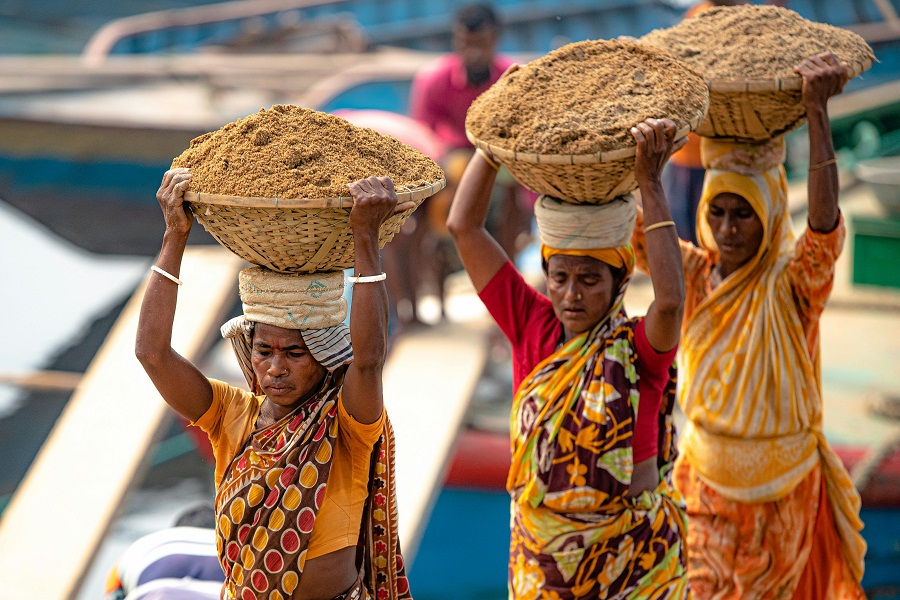
Look at our Ready-Made Garment (RMG) industry. Millions of women work in garment factories, and their efforts help Bangladesh earn significant foreign currency through exports.
At the same time, women are now working in many other fields. Women are starting their own businesses and becoming entrepreneurs. Some are selling handmade products online to customers worldwide. Others are working in technology, software development, and data analysis. We see businesses run by w, they That Womenlead approximately 2.8 million Small and Medium Enterprises (SMEs), accounting for nearly 25% of all SMEs in Bangladesh. These businesses employ an estimated 8.4 million people, according to UNDP's recent study. These achievements show that women's work is not just a small contribution.
Research around the world shows an important pattern. When women earn money, they usually spend most of it on their families.
Studies show that women often allocate about 90 per cent of their income to their children's education, food, and healthcare.
An educated and working woman understands how important education and job opportunities are for the future.
Changing attitudes in families
Society in Bangladesh is also changing. In the past, girls were often seen as people who would eventually leave their families after marriage. Today, many fathers proudly talk about their daughters' achievements in education and careers.
Getting a scholarship to study abroad or being successful in her profession brings joy and pride to her family. Women are no longer seen as a burden; they are seen as a source of pride and hope.
The same change can be seen among many husbands. A household where both partners work can be more stable and secure, as the burden of earning is shared. Many modern husbands see their wives as equal partners who contribute to the family's success.
The economic cost of limiting women
Bangladesh aims to become a strong middle-income country. The country needs to use the talents of all its people, regardless of gender, if it wants to achieve that. If women are kept out of the workforce, the country loses half of its potential.
Many studies show that when more women participate in the workforce, the economy grows faster. If Bangladesh can reduce the employment gap between men and women, it could add billions of dollars to the national economy.
The digital world has also created new opportunities. Many women run online businesses or work as freelancers from their homes. Trying to limit women's work in such a modern economy makes little sense and can slow national progress.
A matter of rights and independence
This issue is not only about economics. It is also about basic human rights. Women should have the freedom to work, study, travel, and lead without needing permission from others. Most importantly, the freedom of taking decisions and equal opportunities.
Financial independence can protect them from difficult situations and give them confidence. Educated and independent women often become strong voices against injustice and discrimination.
Bangladesh on the global stage
When Bangladeshi women achieve success internationally, they also improve the country's image worldwide. Whether they work in international research labs, speak at global conferences, or represent Bangladesh in sports and business, they demonstrate that the country is capable and progressive. Their achievements bring respect and recognition to Bangladesh.
As International Women's Day approaches, the message should be clear. The progress of women in Bangladesh should not move backward.
sumaiyariva1120@gmail.com