

Published :
Updated :
 For all latest news, follow The Financial Express Google News channel.
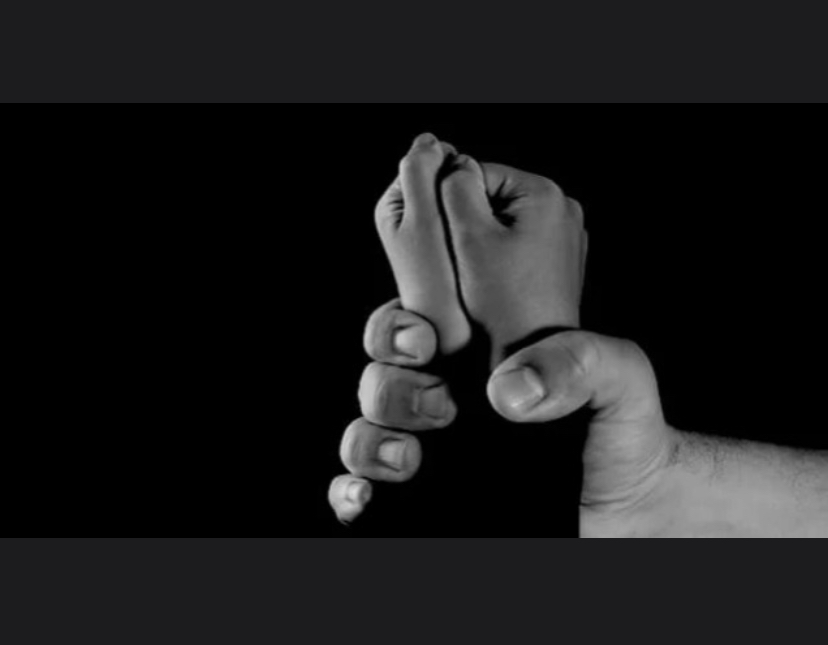
Why khunti, a metal cooking spatula, has become a preferred instrument of cruelty in the houses of a section of senior government officials needs serious psychological and social analysis. The latest example of the brutal torture of a teenage poor domestic worker allegedly by the wife of a now-sacked managing director of Biman Bangladesh Airlines is just another example of a disturbing trend. It is shocking, but not unusual. It exposes how poor young girls, often underage, employed as domestic helps in the homes of rich people are subjected to torture, beatings, burnings and humiliations. These cases periodically grab headlines, spark outrage, and then quietly fade from public attention, leaving behind scarred survivors and a system that barely changes.
The cycle of events is all too familiar. A brutal crime is brought to light, sometimes because a child has been hospitalised, sometimes because the neighbours have intervened, sometimes because the child has somehow managed to escape the clutches of the perpetrator. Media frenzy ensues, with social media blowing up in outrage. Talk shows on television debate the issues of values and morality. Rights activists and civil society members clamour for exemplary punishment to be meted out to the perpetrator. And then, of course, the news cycle passes, and the perpetrator gets back to their life, perhaps with a sense of guilt, perhaps without, while the life of the victim has forever been changed.
In the latest case, the response has been quick, with the perpetrator couple being arrested and the official losing his job. Such swift actions are not common, they are limited to those instances when the outrage has become impossible to ignore. Most often, the perpetrator gets away with the crime, exploiting legal loopholes and social influence.
The worrying aspect of these incidents, however, lies in the social identity of the perpetrators. Many of the torture incidents are committed by the wives of influential people in the government. These women are otherwise considered respectable, educated and privileged members of society. These are not people who are on the fringes of society; they are part of the very fabric of society. The question needs to be asked is: how do these perpetrators of cruelty live their normal lives, visiting, socialising, and living in their homes as if nothing out of the ordinary has occurred?
The answer perhaps lies with the social construction of the lives of the domestic workers. Many people do not consider their domestic workers as human beings, but as possessions. Poverty gives the employer the upper hand. A lack of education gives the workers no voice with which to express their abuse. The workers' dependence on the employer for food and shelter gives the employer leverage over the workers.
Most haunting, however, is the aftermath. What happens to them once the cameras go off? They go back to their villages with life-long injuries and trauma. Few receive sustained medical or psychological care. Fewer receive rehabilitation support. But the accused, often backed by wealth and connections, resume their normal lives.
A society that permits its weakest citizens to be tortured without any consequence is not making any moral progress. The brutal treatment of domestic helps is an indication of a larger decline of empathy. When empathy declines at home, it will decline outside too.
Breaking this cycle calls for more than outrage. The work done at home must be formally acknowledged and regulated. Registration and monitoring are critical. The law enforcement agencies should take these cases of abuse seriously, no matter who the perpetrator is. Most importantly, we should acknowledge our part in this crime. The silent acceptance of this crime must be challenged. Above all, we must ask ourselves what kind of people we have become when we can live comfortably knowing that a child in our home or our neighbour's has been beaten into silence.
rahmansrdk@gmail.com