

India-Bangladesh ties will strengthen after normalcy restores post elections, Jaishankar says
Published :
Updated :
 For all latest news, follow The Financial Express Google News channel.
India expects neighbourly relations in the region to grow stronger once the situation in Bangladesh normalises through elections, Indian External Affairs Minister S Jaishankar has said.
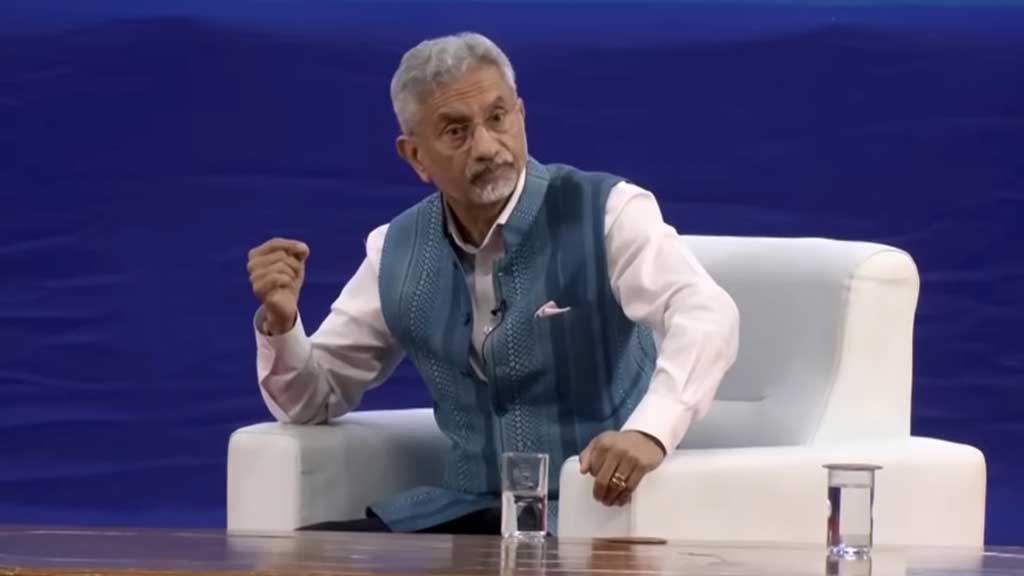
He expressed the hope while responding to a question about his recent visit to Bangladesh at an event in Chennai on Jan 2, Hindustan Times reports.
Jaishankar said most neighbouring countries now recognise that India’s economic growth acts as a rising tide, creating opportunities for the entire region.
“That was the message I also took to Bangladesh,” he said, adding that India wished Bangladesh well as it heads towards elections and hoped neighbourly relations in the region would strengthen once the situation stabilises.
Drawing a distinction between “good neighbours” and “bad neighbours”, Jaishankar said India supports and assists countries that maintain cooperative relations. As examples, he referred to India’s vaccine diplomacy during the COVID-19 pandemic and its assistance to Sri Lanka during the island nation’s economic crisis.
At the same time, he said India reserves the right to defend itself against neighbours that continue to engage in terrorism.
According to Jaishankar, New Delhi’s approach on these issues is guided by “common sense and national interest”.
Jaishankar visited Dhaka on Dec 31 as the Indian government’s representative to pay tribute following the death of former Bangladesh prime minister Khaleda Zia.
At the Chennai event, he was asked how India was recalibrating its “Neighbourhood First” policy amid recent security and political changes in Bangladesh, while maintaining non-interference and protecting its own security interests.
Responding, Jaishankar said he wanted to address the issue in a broader regional context rather than focusing solely on Bangladesh.
“Diplomacy is not rocket science; it is common sense expressed in polished language,” he said, explaining that good neighbours naturally try to help and cooperate with each other.
He said India had invested in and supported neighbouring countries where a genuine sense of good neighbourliness existed. During the COVID-19 pandemic, many neighbouring countries received their first vaccine shipments from India, even as India’s own vaccination programme was ongoing.
Referring to the Ukraine war, Jaishankar said the conflict triggered food, fuel and financial crises, during which India supplied fuel, food and fertiliser to several neighbouring countries.
He cited Sri Lanka as a notable example, saying India extended a USD 4 billion assistance package when the country was facing an acute financial crisis and negotiations with the International Monetary Fund were progressing slowly.
Jaishankar also referred to India’s swift response to a recent cyclone in Sri Lanka, noting that Indian ships, helicopters and rescue teams were deployed promptly, followed by a reconstruction support package.
He said cooperation with neighbours was not limited to crises, but also extended to power grids, waterways, roads, ports, trade, tourism and medical travel.
Without naming Pakistan, Jaishankar said some neighbours deliberately and persistently pursue terrorism, and India has the right to defend its people.
He added that goodwill was central to neighbourly relations, citing a historic water-sharing agreement reached in the spirit of cooperation, but warned that sustained terrorism erodes the basis for such arrangements.