

Published :
Updated :
 For all latest news, follow The Financial Express Google News channel.
Surging global transport costs and supply chain disruptions linked to the West Asia crisis are threatening the delivery of lifesaving aid to children, the UN children’s agency warned on Tuesday.
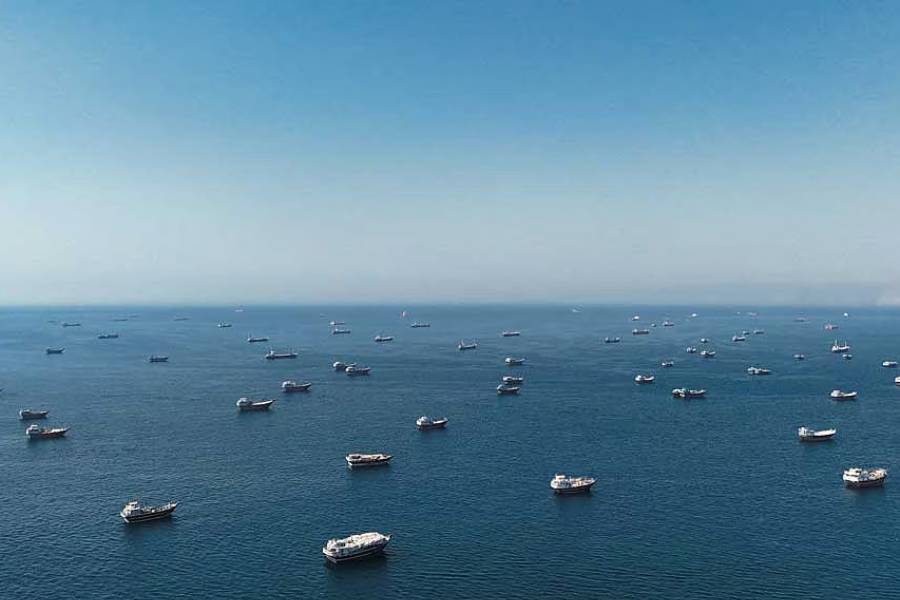
Nearly 100 days after the outbreak of the Iran war, heightened insecurity around key Gulf shipping routes has driven up fuel prices and insurance premiums, while congestion at alternative ports has compounded disruptions, hampering aid deliveries.
UN children’s agency UNICEF said it was increasingly relying on air freight due to shipping delays.
In the first quarter alone, the agency nearly exhausted annual contributions from logistics partners that donate charter flights, as it flew supplies into Lebanon and Gaza amid delays of up to four to six weeks. That is unprecedented, UNICEF’s Chief of Global Transport and Logistics, Jean-Cedric Meeus, told reporters.
UNICEF is also relying on air freight to respond to the Ebola outbreak in the Democratic Republic of the Congo, as ports in Mombasa and Dar es Salaam remain congested.
UNICEF estimates that some deliveries are now delayed by up to six months. Rerouting shipments around the Cape of Good Hope is adding two to four weeks to delivery times, Meeus said.
UNICEF said its transport budget in Mali surged by 36 percent in the first quarter of this year, forcing trade-offs between scaling back on lifesaving Ready-to-Use Therapeutic Food cartons or other areas such as water and sanitation programmes. The cost of trucking the food cartons from Kenyan manufacturers to Somalia, South Sudan, and the DRC has increased by 30 percent.
The agency also reported paying an additional $200,000 to reroute syringes for a polio vaccination campaign in Nigeria, a 56 percent increase in transport costs.