


Across Bangladesh, Ramadan 2026 has drawn young people into its centre in ways that go well beyond routine observance. In Dhaka, student clubs and volunteer groups have taken on community dinners and charity drives with a seriousness that stands out. Students at International School Dhaka, for instance, hosted a community iftar in February that welcomed around 150 underprivileged children. The evening was not simply about food. Volunteers arranged games, handed out books and school supplies, and stayed on to clean up afterwards. It had the feel of a shared celebration rather than an act of giving.
In neighbourhoods across the capital, university societies and informal youth collectives have set up open-air iftar counters, distributing hundreds of free meals each evening. On Facebook, one volunteer wrote that Ramadan is not only a month of fasting but also a time for empathy, generosity, and social responsibility. The post, accompanied by a photo of rows of neatly packed biryani boxes, travelled widely across timelines. Another Dhaka-based group used Instagram stories to track how many families they had reached each night, updating followers in real time with something close to quiet pride.
Outside the capital, the story follows a similar shape. In Chattogram, young organisers hosted a Ramadan Night Souk at a convention centre, pairing modest fashion stalls with food corners run by culinary students. Sylhet saw charity dinners held in madrasa courtyards and school grounds, where volunteers moved between tables serving water and dates. In Rajshahi, a group of young professionals pooled their Eid bonuses to fund daily iftar distributions for rickshaw pullers. "No one should break their fast alone," read one caption beneath a group photo posted online.
Ramadan and Eid-focused night events: As dusk settles on Dhaka, recently years' popular event is taking place at the Eid Night Market inside the United Convention Centre. Running from afternoon until the early hours of sehri, the market has become one of the capital's most discussed Ramadan fixtures this year. There are fairs happening at ICCB Convention Hall, Elite Convention Hall, Halls at Westin Hotel Dhaka as well as many places in Dhanmondi.
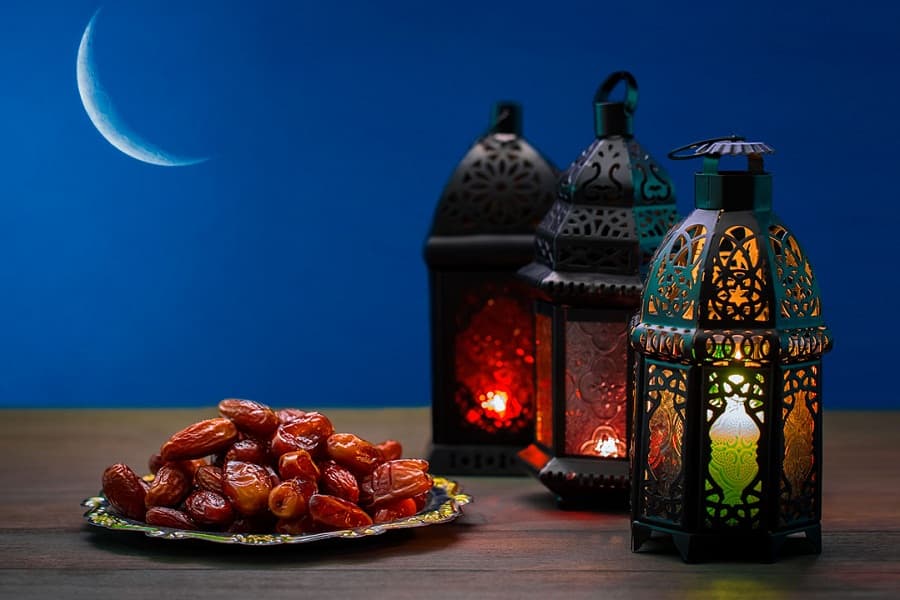
"This isn't just a shopping trip; it's a nighttime ritual," read a promotional line that spread across social media before the event opened. Inside these halls, lantern installations glow above more than a hundred stalls. Young entrepreneurs sell hand-embroidered kurtas, sustainable jewellery, artisanal desserts and home décor. Families drift from rack to rack after iftar, children clutching balloons, teenagers filming reels beneath crescent moon backdrops.
Organisers estimate tens of thousands passed through over the three-day run. Prayer spaces are set aside within the venue. Iftar platters are served on long communal tables. Friends arrange to meet after taraweeh and end up browsing for an hour. Youth volunteers manage entry points, handle digital payments and run social media coverage, turning what was once a conventional trade fair into something that reads more like a cultural gathering.
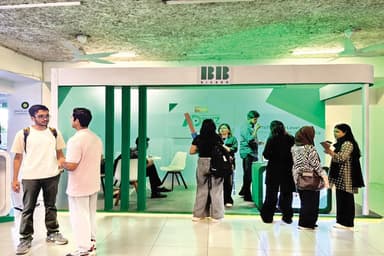
BRAC has also made its presence felt this year through its Aloki-based entrepreneurship initiative. At the Aloki Convention Centre in Gulshan, the organisation's pre-Eid fair brought together nearly 90 women entrepreneurs. Many were in their twenties and early thirties, running small fashion labels or handcrafted goods brands from home studios.
The fair provided free stalls and mentorship. QR code payment systems were introduced to help vendors bring their businesses into the digital fold. Food courts served iftar and dinner, giving visitors reason to linger and spend time with the brands on display. One young entrepreneur selling jamdani-inspired scarves wrote on Facebook that Aloki had given her more than a stall. It had given her confidence.
The convention centre became a gathering point not only for shoppers but for aspiring founders talking through sourcing questions, pricing strategies and export ambitions. In a country where youth unemployment remains a real concern, Ramadan bazaars like this are functioning as business incubators.
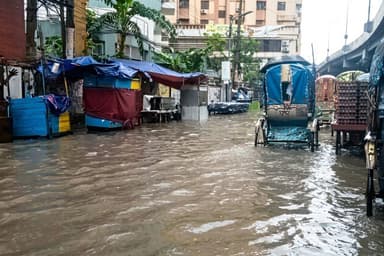
Iftar souks and grassroots fairs: Across Dhaka's university campuses and community centres, smaller iftar souks have taken root. Organised in partnership with student welfare clubs, these youth-curated markets typically offer free entry. Stalls carry homemade snacks, thrifted Eid outfits and charity corners collecting donations for flood-affected communities.
At one campus fair, volunteers projected a live counter showing how many iftar packages attendees had helped sponsor that evening. Each purchase directed a portion to a charity fund. The model threads commerce and compassion together in a way that feels natural rather than engineered.
In Khulna and Barishal, comparable fairs have appeared, advertised almost entirely through Facebook events and WhatsApp groups. Digital flyers circulate days in advance, and within hours hundreds mark themselves as attending. Young organisers handle logistics, sponsorship outreach and on-the-day operations, showing that running a Ramadan event in 2026 involves as many spreadsheets as prayer schedules.
A digital thread of generosity: The clearest feature of Ramadan 2026 in Bangladesh may be how fluidly offline and online activity moves between each other. Youth-led NGOs post daily donation tallies. Influencers drop into iftar giveaways and send followers to contribute. Google Forms collect volunteer names by the hundreds. bKash numbers sit pinned at the top of charity posts.
Behind the digital activity, something more straightforward persists. Shared plates. Folded prayer mats. Conversations stretching late into the night at markets and community halls.
Bangladesh's youths are not walking away from tradition. They are carrying it further. From iftar handouts in neighbourhood alleyways to Eid expos under lit ceilings, they are giving Ramadan a shape that is rooted and restless at once. The month has always called for restraint and reflection. In 2026, it is also calling for initiative.
tasnimazer02@gmail.com