

Published :
Updated :
 For all latest news, follow The Financial Express Google News channel.
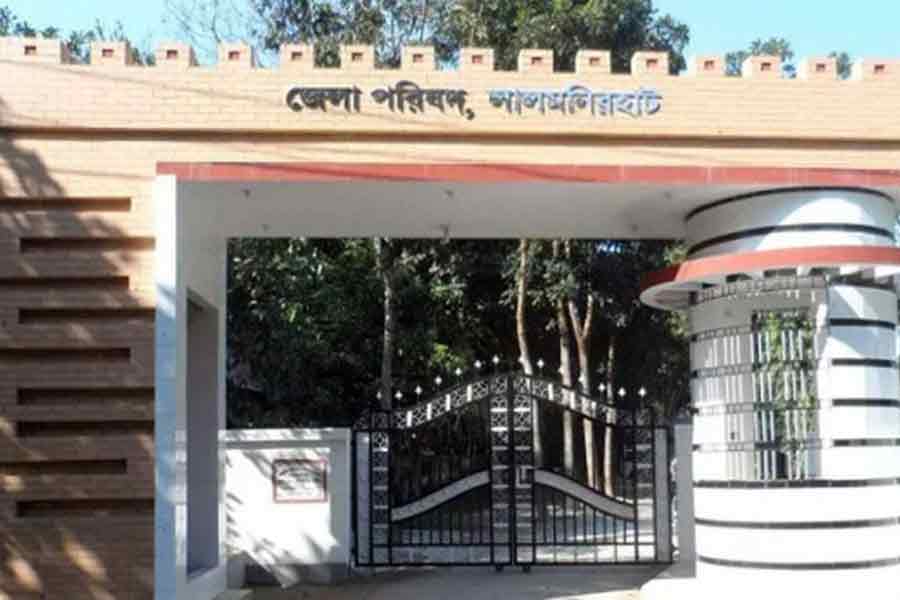
District Councils (Zila Parishads) are a vital tier of local government in Bangladesh, envisioned to ensure decentralised governance and effective local service delivery. Despite their importance, these institutions remain underutilised due to limited autonomy, weak financial capacity, and overlapping authority with the central administration. Strengthening District Councils in Bangladesh is essential for achieving effective decentralisation and inclusive development. A comprehensive reform approach—combining legal, fiscal, administrative, and political measures—can transform Zila Parishads into dynamic institutions capable of driving local development.
At the heart of the issue lies the institutional framework governing these bodies. Although the Zila Parishad Act 2000 (amended in 2022) provides the legal basis for their operation, gaps remain in clearly defining their authority and responsibilities. The absence of regular and fully representative elections has weakened democratic accountability, as many councils have historically been run by appointed administrators rather than elected representatives. Although Bangladesh has made notable progress in grassroots governance through Union Parishads and Upazila Parishads, the district tier remains comparatively weak. Most decision-making powers are still concentrated within central ministries, leaving District Councils with minimal authority to plan or implement meaningful development initiatives. For these councils to function effectively, real power must be devolved, accompanied by clear mandates defining their roles and responsibilities. Without such authority, they cannot act independently or respond to local demands.
Financial dependency is a major challenge. District Councils rely heavily on allocations from the central government, which limits their ability to plan and implement development activities independently. Without adequate revenue-generating authority, they cannot respond effectively to local needs or prioritise projects based on district-specific demands. Strengthening their financial base through diversified revenue sources—such as local taxes, service fees, and predictable fiscal transfers—would significantly enhance their autonomy and operational capacity. Establishing a reliable fiscal framework, with direct budgetary allocations and enhanced local revenue-generation mechanisms, can further strengthen their operational capacity.
Equally important is the issue of administrative capacity. Many District Councils lack skilled human resources in critical areas such as planning, engineering, financial management, agriculture, and digital services. This capacity gap often results in delays, inefficiencies, and suboptimal project outcomes. A professional and well-equipped secretariat under each council can ensure smoother coordination and execution of responsibilities. At the same time, reducing excessive bureaucratic control from central authorities would allow these institutions to function more independently and innovatively. The relationship between District Councils and line departments also requires urgent attention. Otherwise, significant overlap and ambiguity between the functions of various government departments and the responsibilities of District Councils may lead to poor coordination among organisations.
A meaningful shift toward decentralisation is necessary to empower District Councils. A bottom-up planning process would support this transformation, where local priorities shape district and national development agendas. The role of political commitment cannot be overstated. Genuine decentralisation requires a shift in mindset at the national level, where local governments are seen not as extensions of central authority but as autonomous partners in development. Reducing political interference and promoting merit-based leadership within District Councils will be key to ensuring their effectiveness and credibility. By empowering District Councils, Bangladesh can accelerate progress toward national development goals while ensuring that development is more equitable and locally responsive.
As time progresses, the attitudes and demands of urban residents shift from traditional practices toward more modern activities. In this context, several new and non-conventional areas can be considered, although their suitability will depend on factors such as geography, available resources, cultural context, and the natural characteristics of each district. These may include agro-processing and value chain development, the establishment of farmers’ markets and direct-selling platforms, the promotion of rooftop gardening, the setting up of daycare centres, tree plantation and biodiversity conservation initiatives, waterbody management, and road safety awareness programs. In alignment with mainstreaming programs, care should be taken to prevent duplication.
In conclusion, transforming District Councils into vibrant and effective institutions requires a comprehensive reform agenda. District Councils (Zila Parishads) in Bangladesh have long had potential, but in practice, they remain underutilised. Making them truly functional requires reforms in authority, finance, accountability, and service delivery. Legal clarity, financial empowerment, administrative strengthening, and political will must work together to create a genuinely decentralised system of governance. The success of District Councils depends largely on political commitment and leadership. Without strong political will, even the best-designed reforms may fail to produce the desired outcomes. If these reforms are implemented thoughtfully, Zila Parishads can become powerful engines of local development, bringing government closer to the people and ensuring that no community is left behind.
The writer is an agriculturist. He can be reached at refatdae87@gmail.com.