

Published :
Updated :
 For all latest news, follow The Financial Express Google News channel.
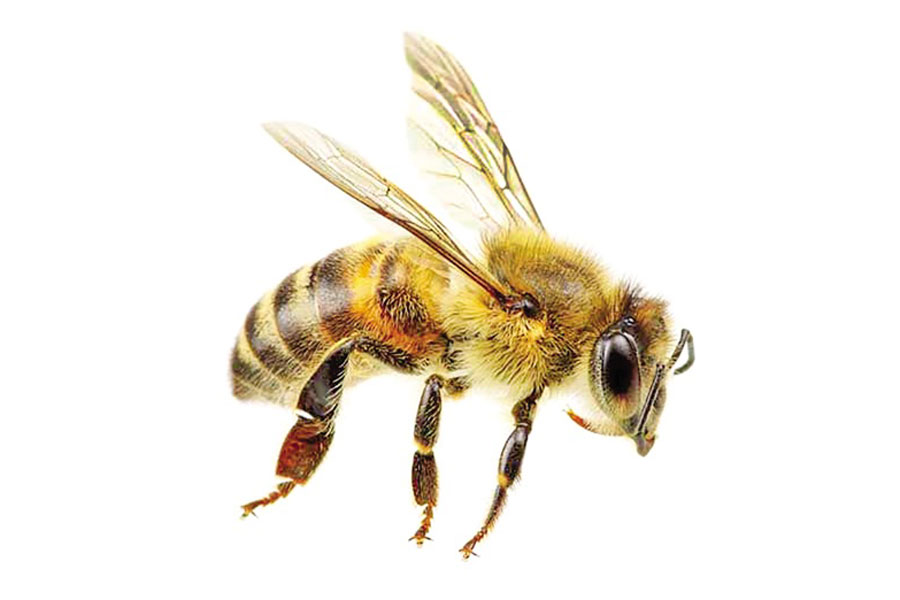
Every year on May 20, the world celebrates World Bee Day—a moment to recognise the indispensable role of bees in sustaining ecosystems and ensuring food security. Established by the United Nations in 2017, the day also honors Anton Janša, whose legacy continues to shape modern apiculture. The 2026 theme, “Bee together for people and the planet – A partnership that sustains us all, resonates deeply in the context of Bangladesh, where agriculture, biodiversity, and rural livelihoods are intricately connected.
In Bangladesh, bees are silent yet powerful contributors to agricultural productivity. Crops such as mustard, litchi, sunflower, and various fruits depend heavily on pollination. With agriculture forming the backbone of the country’s economy, the health of pollinators directly influences food production, nutrition, and farmers’ incomes. Yet, this essential relationship often goes unnoticed, even as bees face mounting threats from pesticide misuse, habitat loss, climate change, and environmental degradation.
For centuries, communities across Bangladesh have engaged in traditional honey collection, particularly in regions like the Sundarbans, where honey hunting is both a livelihood and a cultural heritage. Over time, this practice has evolved into more organised beekeeping systems, supported by training, research, and entrepreneurship. Today, beekeeping is emerging as a viable income-generating activity for rural households, especially for women and youth, offering low investment but high return opportunities.
The theme of World Bee Day 2026 underscores the importance of blending traditional knowledge with modern innovations—an approach highly relevant for Bangladesh. Farmers and beekeepers are increasingly adopting improved hive management, seasonal migration of colonies, and scientific pest control methods. At the same time, indigenous knowledge about local flora, seasonal patterns, and ecological balance remains invaluable. Integrating these perspectives can significantly enhance both productivity and sustainability.
Moreover, promoting bee-friendly agricultural practices is essential. Reducing harmful pesticide use, encouraging crop diversification, and preserving natural habitats can create an enabling environment for pollinators to thrive. Initiatives that link beekeepers with agricultural value chains—such as honey processing, branding, and market access—can further strengthen rural economies.
The role of women in beekeeping deserves greater recognition. Across Bangladesh, many women are stepping into apiculture, gaining financial independence and contributing to household resilience. Supporting them through training, credit access, and cooperative models aligns with broader goals of inclusive development.
As Bangladesh navigates the challenges of climate change and strives for sustainable agrifood systems, bees offer a powerful symbol of resilience and cooperation. Protecting pollinators is not merely an environmental concern—it is an economic and social imperative. The message of “bee together” calls for collective action: from policymakers and researchers to farmers, entrepreneurs, and communities.
In embracing this partnership between humans and bees, Bangladesh can cultivate a future that is not only productive but also sustainable, inclusive, and in harmony with nature.
To effectively realise the goals of this year’s World Bee Day theme, the government of Bangladesh can empower the Department of Agricultural Extension (DAE) to systematically organise beekeepers and the broader honeybee-based industry, including honey and other byproducts. This initiative can be further strengthened by formally integrating apiculture into national agricultural policies, ensuring structured development, better coordination, and long-term sustainability of the sector.
At the heart of this transformation lies the creation of a national beekeeper’s database. Currently, beekeepers in Bangladesh operate in a fragmented manner, often disconnected from formal agricultural planning. According to the Department of Agricultural Extension (DAE), the number of beekeepers is estimated to reach nearly 3,500 in the 2025–26 period. By systematically registering beekeepers—capturing details such as their location, number of colonies, seasonal movement, and crop linkages—DAE can bring visibility to this invisible workforce. This transforms beekeeping from an isolated activity into an integrated agricultural service.
Expanding the use of bee boxes in field crops would help boost bee populations, which in turn enhances crop productivity and supports environmental conservation. In Bangladesh, crops like mustard, sunflower, watermelon, blackseed, coriander and various fruits like mango, litchi, jujube depend heavily on insect pollination. The Department of Agricultural Extension (DAE) has already integrated bee-box deployment into its routine extension programs, establishing demonstration plots at the grassroots level. These field demonstrations visibly highlight yield improvements driven by effective pollination, often proving more persuasive to farmers than conventional training sessions alone. Reports indicate that in 2025–26, the total area under mustard cultivation reached 1,060,134 hectares, of which only 195,471 hectares were covered by beekeeping activities.
Equally important is building a functional link between farmers and beekeepers. At present, most beekeepers rely on honey production for income, while farmers rarely consider paying for pollination services. DAE can bridge this gap by facilitating seasonal agreements, where beekeepers place colonies in farmers’ fields during flowering periods. Upazila level coordination meetings before each cropping season could help establish these connections, supported by the emerging database system.
However, scaling such initiatives requires strong capacity development. Many beekeepers still follow traditional methods, which limits productivity and increases risks from pests, diseases, and climate variability. DAE can expand its training programmes to include modern hive management, queen rearing, and scientific colony multiplication. At the same time, farmers must be educated about the importance of bees, particularly regarding pesticide use. Indiscriminate spraying remains one of the biggest threats to pollinators. Promoting bee-safe practices—such as spraying during non-foraging hours and adopting integrated pest management—can significantly reduce harm while maintaining crop protection.
Beekeeping requires relatively low investment and land, making it accessible for smallholders and rural entrepreneurs. With targeted support—training, starter kits, and access to microcredit—DAE can help women and young people build sustainable livelihoods through apiculture. This aligns well with broader national goals of inclusive development and rural employment generation.
Finally, DAE’s efforts can be strengthened through partnerships and innovation. Collaboration with agricultural universities, research institutes, and private agri-tech companies can introduce improved bee species, climate-resilient practices, and even digital monitoring systems for hive management. When combined with supportive policies—such as subsidies for bee boxes, access to finance, and recognition of pollination services—these initiatives can create a thriving ecosystem for beekeeping.
By building a robust database, expanding bee-box use in a planned manner, and fostering strong linkages between stakeholders, the Department of Agricultural Extension can turn beekeeping into a cornerstone of sustainable agrifood systems. In doing so, it will not only enhance crop yields but also protect biodiversity and uplift rural communities—truly embodying the spirit of working together for people and the planet.
Md. Refatul Hossain, Former Additional Director, DAE & Senior Consultant, Agronochain Ltd. refatdae87@gmail.com